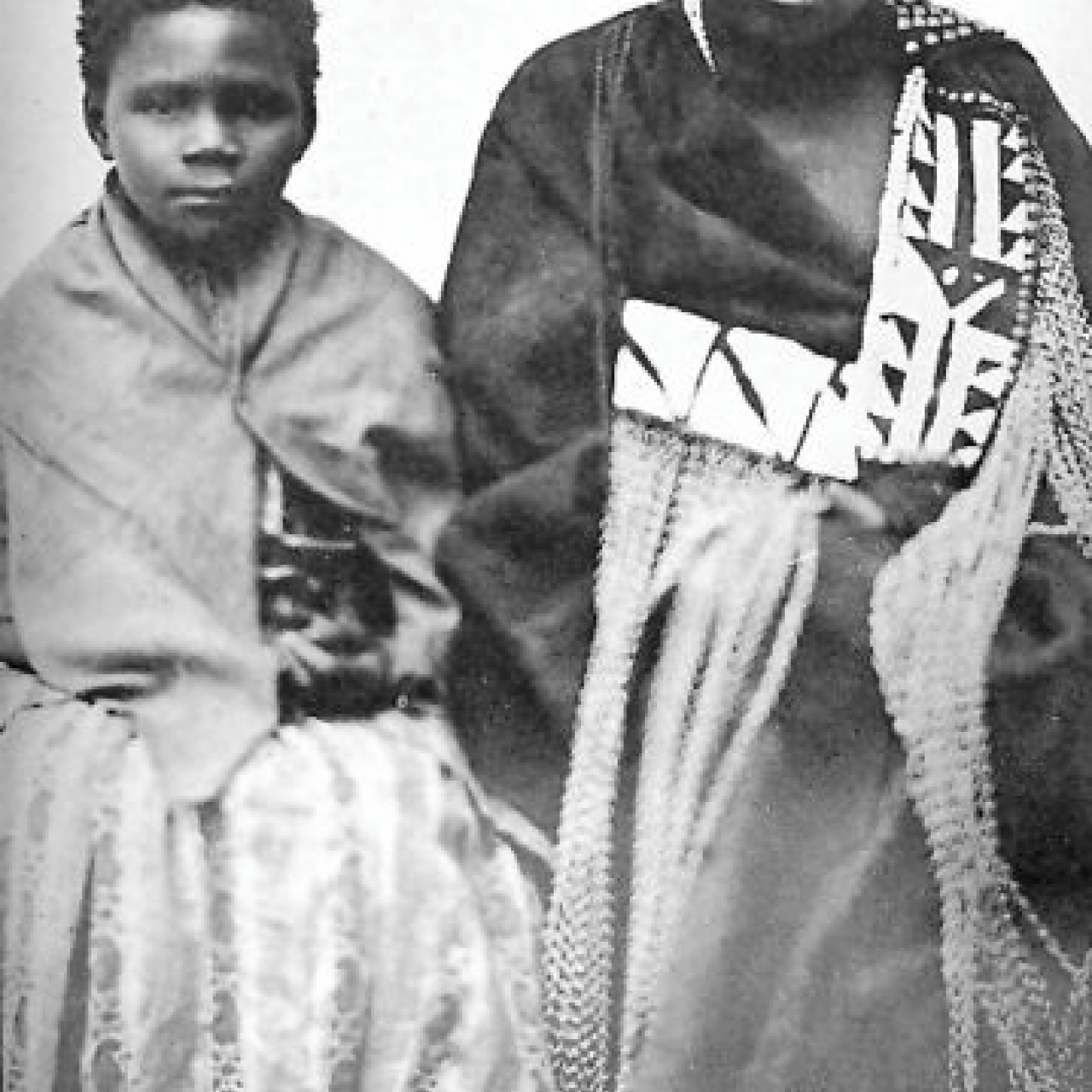
1856 was a bad year for the Xhosa nation of the Wild Coast.
Their lands had been taken by the British, drought had withered their crops, and their prized cattle were dwindling under a mysterious disease.
The people were facing a hard winter when hope came in the shape of a young girl called Nongqawuse, the niece of a prophet. Nongqawuse claimed that the spirits of the ancestors had spoken to her from a pool in the Gxara River.
A billion people live in India -- one of every six on the planet. Half of them are illiterate. Only one in four has access to adequate sanitation. Some 350 million Indians live on less than a dollar a day. Yet India is also home to some of the world's most advanced high-technology firms, and New Delhi is Silicon Valley East.
Several years ago, a computer scientist, Dr. Sugata Mitra, had an idea. What would happen if he could provide poor children with free, unlimited access to computers and the Internet? Mitra launched what came to be known as the hole in the wall experiment. FRONTLINE/World producer Rory O'Connor first encountered Dr. Mitra and his experiment while directing a film on global poverty.
UniNet and Ilizwi Telecommunications (ITel) recently concluded a deal that will see the rollout of a broadband network in the Eastern Cape. ITel is a licenced "Under Serviced Area Licencee" (USAL) for the OR Tambo district, which includes the towns of Umtata, Mqanduli, Libode, Tsolo, Qumbu, Ngqeleni, Tabankulu, Port St Johns, Lusikisiki, Flagstaff and Bizana.
Andile Nontso, director of Itel, says plans include the deployment of a wireless access network to deliver fixed and mobile voice and data services throughout the district. The first phase of this project is expected to be complete before July next year. UniNet will jointly operate the network with Itel for an initial five-year contract period.
The Eastern Cape's third-largest local municipality is bogged down by political paralysis and a financial crisis that has it on the verge of collapse, a local government report has revealed.
There was a near riot up at the signboarded ploughfield last Saturday and heated discussion on and off during the week when everyone wasn’t at home while the "khamkham" blew over with buckets of rain. (We had about 150 mils in 3 days.)
 Click the logo